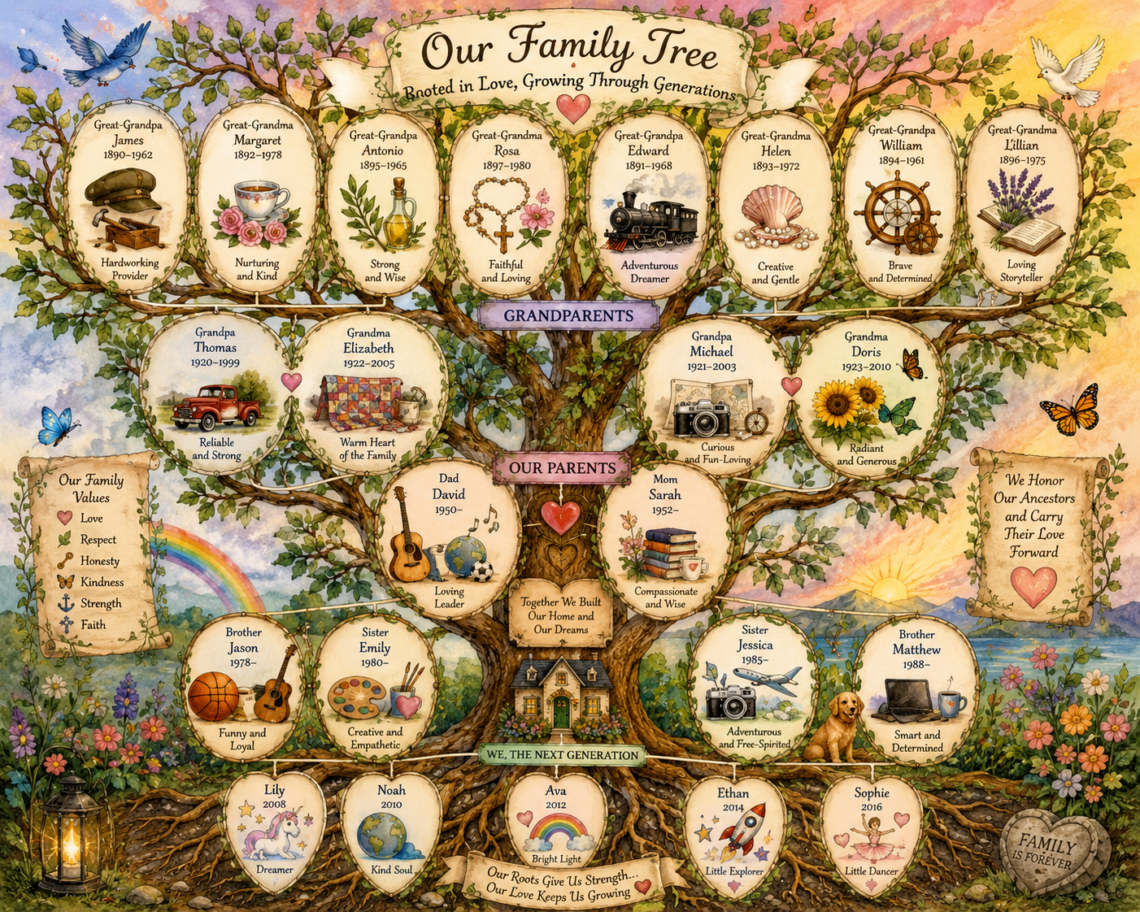
Family Constellations: An Introduction to a Controversial but Influential Therapeutic Approach
Introduction to family constellations
Family constellations — sometimes called systemic constellations or family systems constellations — are a therapeutic and personal development method designed to explore hidden dynamics within families and relationships. The approach was developed by the German psychotherapist Bert Hellinger in the late twentieth century and has since spread worldwide through workshops, private sessions, coaching practices, and alternative healing communities.
Many people seek family constellations when they feel “stuck” in recurring emotional patterns, relationship difficulties, family conflicts, grief, anxiety, or even chronic physical symptoms that seem connected to unresolved emotional experiences. Supporters believe that problems may sometimes originate not only from personal experiences, but also from unresolved traumas, exclusions, or burdens carried through generations within a family system.
Although family constellations are widely practiced and valued by many participants, it is important to note that the method remains controversial in mainstream psychology and medicine. Scientific evidence supporting its effectiveness is limited, and it should not replace qualified medical or psychological care when needed. However, many individuals report meaningful emotional insights, greater self-understanding, and improved family relationships after participating.
What Are Family Constellations?
At its core, family constellations therapy is based on the idea that families operate as interconnected systems. According to this perspective, events such as trauma, abandonment, war, addiction, loss, miscarriage, illness, exclusion, or unresolved conflict can continue to influence later generations unconsciously.
The therapy attempts to uncover these hidden patterns and bring them into awareness.
A family constellation session usually involves:
- Exploring family relationships and history
- Identifying emotional entanglements or recurring patterns
- Representing family members symbolically within a physical space
- Observing emotional and relational dynamics
- Working toward reconciliation, acceptance, or emotional resolution
The term “constellation” refers to the way family members and relationships are arranged or “mapped” during the session, almost like stars forming a constellation in the sky.
How Can Family Constellations Be Helpful?
People participate in family constellations for many different reasons. The method is commonly used to explore:
- Difficult family relationships
- Repeating relationship problems
- Emotional blocks
- Feelings of guilt or shame
- Anxiety or depression
- Grief and unresolved loss
- Patterns of self-sabotage
- Intergenerational trauma
- Parenting challenges
- Workplace or organizational conflicts
- Identity and belonging issues
Supporters of the method believe that hidden loyalties to family members or unconscious emotional burdens can affect present-day behavior. By recognizing these patterns, individuals may gain emotional relief and a new perspective on their lives.
Some people report benefits such as:
- Greater emotional clarity
- Increased compassion toward family members
- Improved communication
- Reduced emotional tension
- A stronger sense of belonging
- Better awareness of personal boundaries
- Greater acceptance of difficult family histories
It is important to understand that experiences vary greatly from person to person. For some, the process feels deeply transformative; for others, it may feel symbolic, emotional, or even uncomfortable.
What Does the Therapy Involve?
Family constellation therapy can take place in different formats:
Group Sessions
This is the most traditional and widely known format.
A group of participants gathers together, usually led by a trained facilitator. One participant presents a personal issue they wish to explore. The facilitator then asks the participant to select representatives from the group to stand in for family members, emotions, illnesses, or other significant elements.
The representatives are positioned in the room according to the participant’s intuition or feelings. Over time, movements, emotions, and interactions among the representatives are explored.
The facilitator may guide the process with questions, observations, or healing statements intended to acknowledge hidden emotions or restore balance within the family system.
Individual Sessions
In private sessions, the therapist may use:
- Chairs
- Objects
- Figurines
- Paper markers
- Visualization exercises
These elements symbolically represent family members and relationships.
Online Constellations
With the growth of online therapy, many facilitators now conduct constellation sessions through video calls using visual markers or virtual group participation.
Do I Need to Prepare Before a Consultation or Meeting?
Preparation is usually simple, but thoughtful preparation can help the experience feel more meaningful and emotionally manageable.
Helpful preparation may include:
Learning Basic Family History
It can be useful to know about:
- Major family events
- Deaths and losses
- Divorces
- Adoptions
- Serious illnesses
- Traumatic experiences
- Family exclusions or estrangements
- Immigration or war experiences
You do not need complete information. Even limited knowledge can sometimes be enough for the process.
Reflecting on Your Intention
Ask yourself:
- What issue would I like to explore?
- What pattern keeps repeating in my life?
- What emotional burden do I want to understand better?
A clear intention often helps guide the session.
Being Emotionally Open
Constellations can bring up strong emotions. Participants may experience sadness, anger, relief, grief, or unexpected memories. Approaching the process with openness and self-compassion is helpful.
Maintaining Realistic Expectations
Family constellations are not magic solutions. One session may provide insight, but deep emotional or relational change often requires ongoing reflection, therapy, or practical life changes.
What Happens During a Family Constellation?
Although each facilitator works differently, a typical group session often follows these steps:
1. The Initial Conversation
The participant briefly explains the issue they wish to address. The facilitator may ask questions about important family events or relationships.
2. Choosing Representatives
The participant selects people from the group to represent family members or significant elements related to the issue.
3. Arranging the Constellation
The representatives are positioned in the room intuitively.
4. Observing the Dynamics
Representatives may report sensations, emotions, or impulses they experience while standing in their positions. The facilitator observes interactions and patterns.
5. Facilitated Intervention
The facilitator may suggest movements, changes in positioning, or specific healing statements intended to acknowledge truths, grief, responsibility, or belonging.
Examples may include:
- “I honor your suffering.”
- “You belong in this family.”
- “I release what is not mine to carry.”
6. Resolution and Reflection
The session ends when the facilitator feels a greater sense of balance or clarity has emerged. Participants may reflect quietly afterward.
Sometimes the effects of a constellation continue unfolding emotionally over days or weeks.
Who Can Participate in Family Constellations?
Family constellations are generally open to adults from many backgrounds. Participants may include people seeking:
- Personal growth
- Emotional healing
- Better family relationships
- Spiritual exploration
- Stress reduction
- Insight into recurring life patterns
People can participate either as:
- The focus participant (“client”)
- A representative in someone else’s constellation
- An observer
Interestingly, many people report that even participating as a representative can feel personally meaningful or emotionally insightful.
However, family constellations may not be appropriate for everyone. Individuals experiencing severe mental health crises, psychosis, severe trauma symptoms, or acute emotional instability should approach the method carefully and ideally consult licensed mental health professionals first.
Family Constellations and Physical Illness
One of the more debated aspects of family constellations is its relationship to physical illness.
Some practitioners believe that unresolved emotional or intergenerational trauma may contribute to stress-related physical symptoms or chronic illness patterns. In constellations work, illnesses may sometimes be symbolically explored as connected to emotional burdens, family secrets, unresolved grief, or systemic imbalance.
Participants may seek constellations support for issues such as:
- Chronic stress
- Fatigue
- Psychosomatic symptoms
- Chronic pain
- Autoimmune conditions
- Serious illness diagnoses
- Grief-related physical symptoms
It is extremely important to understand:
- Family constellations are not a medical treatment
- They cannot diagnose or cure illness
- They should never replace professional healthcare
However, some individuals find that emotional exploration helps them:
- Cope with illness more calmly
- Reduce emotional stress
- Process fear or grief
- Improve emotional resilience
- Strengthen relationships during illness
Modern medicine increasingly recognizes that emotional stress can affect physical wellbeing. Still, claims that family constellations directly heal physical diseases are not scientifically established.
Common Criticism around the constellations
- Limited scientific evidence
- Highly subjective interpretations
- Risk of emotional suggestibility
- Potential oversimplification of trauma
- Concerns about unqualified facilitators
- Lack of standardized training
Some mental health professionals caution that intense emotional experiences during sessions may overwhelm vulnerable individuals if not handled responsibly.
For this reason, choosing a well-trained, ethical, and emotionally grounded facilitator is very important.
Choosing a Facilitator Carefully
If someone wishes to explore family constellations, it is wise to look for facilitators who:
- Have substantial training
- Work ethically and respectfully
- Avoid making exaggerated claims
- Encourage medical and psychological support when appropriate
- Create emotionally safe environments
- Respect personal boundaries
- Avoid manipulation or dependency
Trust, professionalism, and emotional safety are essential.
Possible Benefits Beyond Therapy
Many people engage with family constellations not only as therapy, but also as a form of:
- Self-discovery
- Spiritual reflection
- Emotional growth
- Relationship awareness
- Community experience
Some participants describe the process as helping them see their family history with greater compassion and understanding, even when difficult truths emerge.
Conclusions
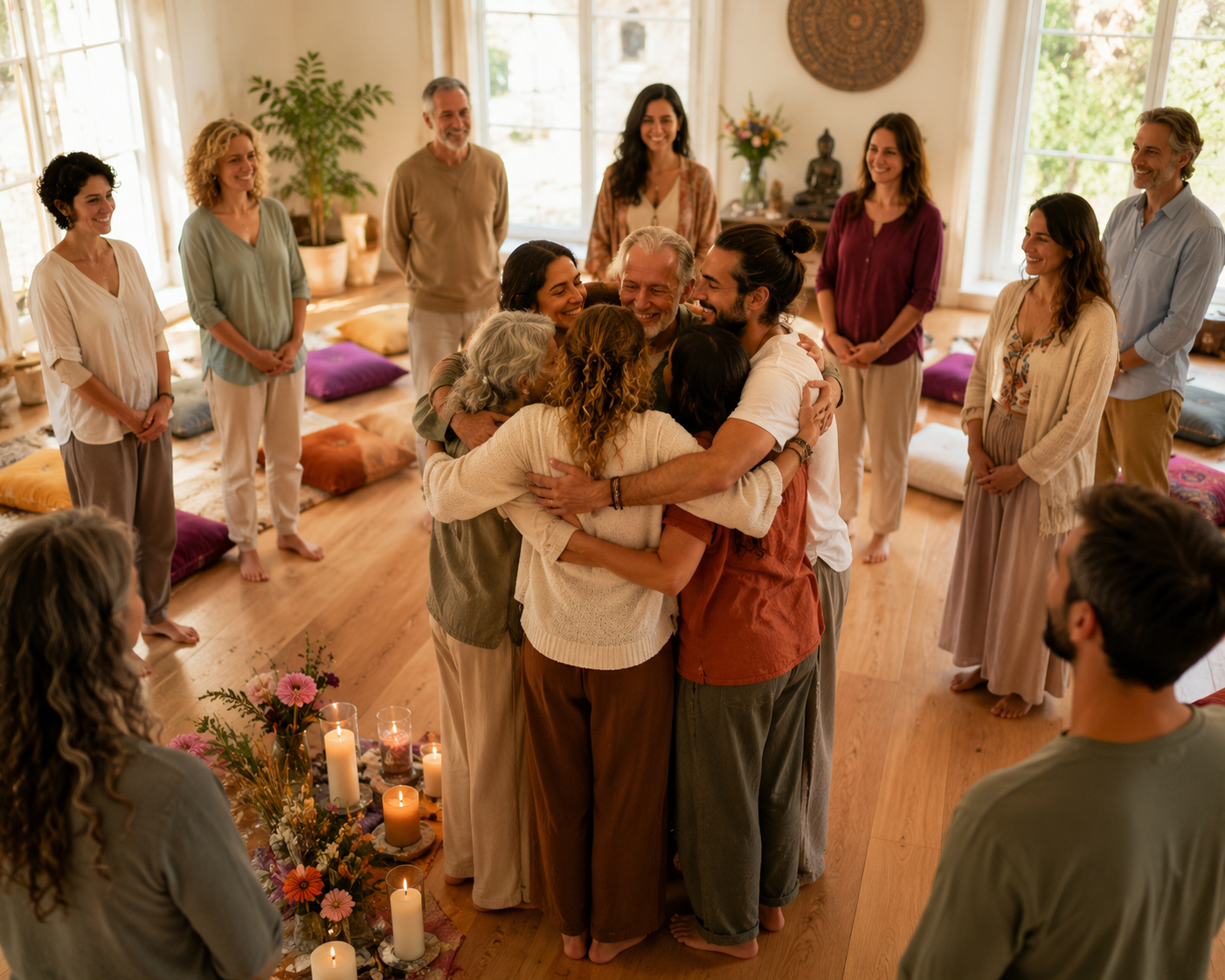
Family constellations therapy is a unique and emotionally focused approach that explores the influence of family systems, hidden loyalties, and intergenerational patterns on present-day life.
For some people, the experience provides emotional insight, healing conversations, and a stronger sense of connection. Others may view it more symbolically or critically. Because scientific evidence remains limited, family constellations are best approached as a complementary personal growth practice rather than a replacement for medical or psychological treatment.
Like many therapeutic approaches, its value often depends on the participant’s openness, expectations, emotional readiness, and the skill of the facilitator.
Practical Points to Help You Benefit From Family Constellations
If you decide to explore family constellations, these guidelines may help:
- Approach the process with curiosity rather than blind belief.
- Choose a trained and ethical facilitator carefully.
- Maintain realistic expectations about results.
- Do not stop medical or psychological treatment because of constellation work.
- Reflect on your family history beforehand if possible.
- Allow emotions to emerge naturally without forcing conclusions.
- Take time after sessions for rest and reflection.
- Journal your insights and emotional reactions afterward.
- Use the experience as one tool among many for personal growth.
- Seek additional professional support if difficult emotions continue after a session.
Family constellations can be a deeply emotional and thought-provoking experience. Whether viewed as therapy, symbolic exploration, or spiritual practice, they invite people to reflect on how family history may continue shaping present relationships, emotions, and identity.

You May Also Like

How to make your home Zen in 11 easy steps

Positive affirmations for health and body care
